Scheduled Maintenance Planning
Maintenance intervals are aligned with each vehicle's operating profile and fleet utilisation patterns.

Explore FleetLine Motors' process-oriented methods for managing fleet maintenance, from planned scheduling and diagnostics to consumable replacement, all coordinated around your fleet's schedule. Submit an online enquiry to discuss maintenance approaches and reduce potential unplanned vehicle downtime.
Submit an Online EnquiryFor organisations that rely on working vehicles, unplanned repairs can reduce fleet availability and disrupt day-to-day scheduling. A structured maintenance framework outlines intervals for servicing, diagnostics and consumable replacement, helping coordinate vehicle use around planned workshop visits. How much any approach supports availability depends on fleet size, vehicle condition and existing scheduling arrangements, so arrangements are typically tailored to each context rather than applied uniformly across organisations.
FleetLine Motors is a UK automotive service provider focusing on corporate fleet maintenance. Its offerings include planned servicing, diagnostics, and replacement of consumables. These are structured methods intended to support fleet operators in coordinating vehicle care. Planned servicing follows agreed schedules, diagnostics examine vehicle systems, and consumable replacement covers wear items. All work is carried out within frameworks designed for organizational fleets. The appropriateness and timing of each method depend on factors such as vehicle usage, operational requirements, and manufacturer specifications. FleetLine Motors presents these approaches as informational processes, enabling operators to make informed decisions about maintenance planning.


Maintenance intervals are aligned with each vehicle's operating profile and fleet utilisation patterns.
Systematic inspection protocols identify wear and faults before they affect vehicle availability.
Work scopes and timeframes are agreed in advance with fleet managers to support operational continuity.
Each stage is recorded and shared, providing clear visibility of actions taken and parts used.
FleetLine Motors coordinates maintenance for corporate fleets through a structured framework designed to align with each organisation’s operational requirements. The programme covers light commercial vans, heavy goods vehicles, and mixed fleets, accommodating diverse vehicle types and usage profiles. Planned servicing includes routine inspections, fluid and filter changes, brake and tyre checks, and scheduled replacement of consumables based on manufacturer intervals and observed wear. Diagnostic procedures utilise electronic system scans and targeted testing to identify faults or emerging issues. Scheduling is agreed with fleet managers, with servicing sequenced around vehicle availability to support continuity of operations where possible. The framework is adaptable to different fleet sizes and compositions, with each maintenance plan developed from a review of the fleet’s makeup before any work is scheduled.

Planned maintenance is a structured element of a broader fleet management strategy, focusing on forecasting service needs rather than reacting to failures. Regular servicing allocates time and resources for tasks such as fluid checks, brake inspections, tyre condition assessments, and replacement of consumables. Diagnostics use vehicle data and inspection findings to identify emerging issues before they escalate into unscheduled repairs. For a fleet, these measures sit alongside usage monitoring, driver reporting, and lifecycle planning. In practice, a planned maintenance programme typically follows manufacturer guidelines and vehicle duty cycles, adjusting intervals for factors such as mileage, load, and operating environment. Downtime can be reduced where servicing is aligned with operational schedules and work is coordinated across the entire vehicle parc. However, observed outcomes will vary between fleets depending on vehicle usage, the underlying condition of each unit, and how consistently maintenance schedules are observed and kept. Fleets are advised to monitor repair data, review programme assumptions over time, and adjust intervals and scope so that maintenance activities remain proportionate to actual operating demand rather than default standards.
Organisations submit an online form outlining their fleet size and basic vehicle details for initial contact.
FleetLine Motors reviews the submission to understand operational needs, vehicle types, and current maintenance practices.
The service team collaborates with the client to arrange a suitable timetable that aligns with fleet availability.
Agreed work is carried out according to the schedule, with completion confirmed and next steps discussed.
Diagnostics form a structured part of fleet maintenance at FleetLine Motors. Diagnostic procedures are used to observe vehicle systems, gather fault codes and help identify where attention may be required. Findings inform maintenance decisions, such as whether further inspection, component replacement or scheduled servicing is appropriate. What diagnostics show, and which actions follow, depends on the individual condition of each vehicle and its operational context. Results are therefore reviewed case by case rather than applied uniformly across a fleet.

FleetLine Motors sources consumables and replacement parts used in fleet servicing according to manufacturer specifications and the specific operational requirements of each fleet. This selection process does not endorse specific brands or imply that any part offers superior performance. Instead, the range covers filters, fluids, belts, brake components and other wear items, all documented and chosen with reference to original equipment guidelines. It takes into account vehicle type, usage patterns and service intervals, forming part of the wider servicing methodology. By aligning part choices with manufacturer data and fleet needs, the process supports consistent, well-defined servicing practices.

Organisations submit fleet servicing requests through a structured online channel, outlining vehicle details and preferred timing.
Work is aligned with the fleet's operational timetable; service slots are proposed based on vehicle availability and workshop capacity.
Scope of work and updates are shared clearly at each stage, with responsibilities and next steps documented for reference.
For diagnostic or replacement tasks, documented approval steps are followed before proceeding to the next phase of servicing.
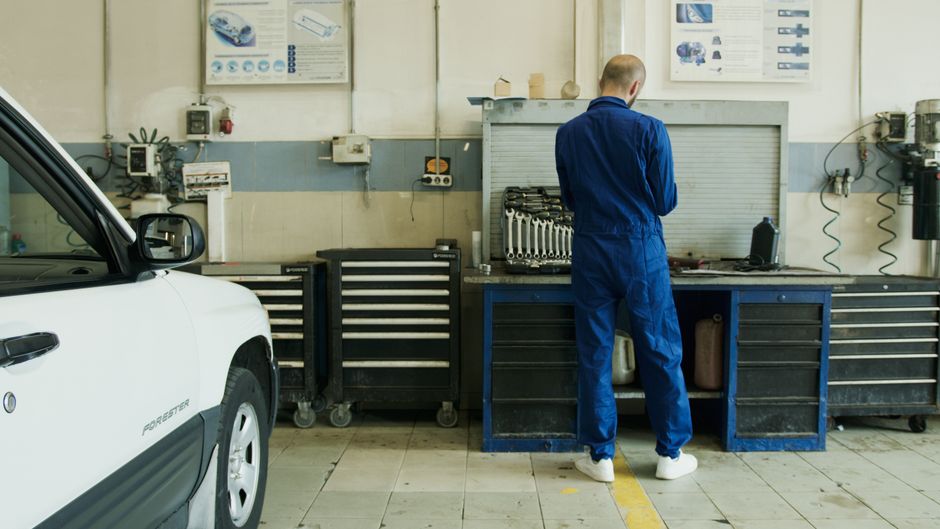
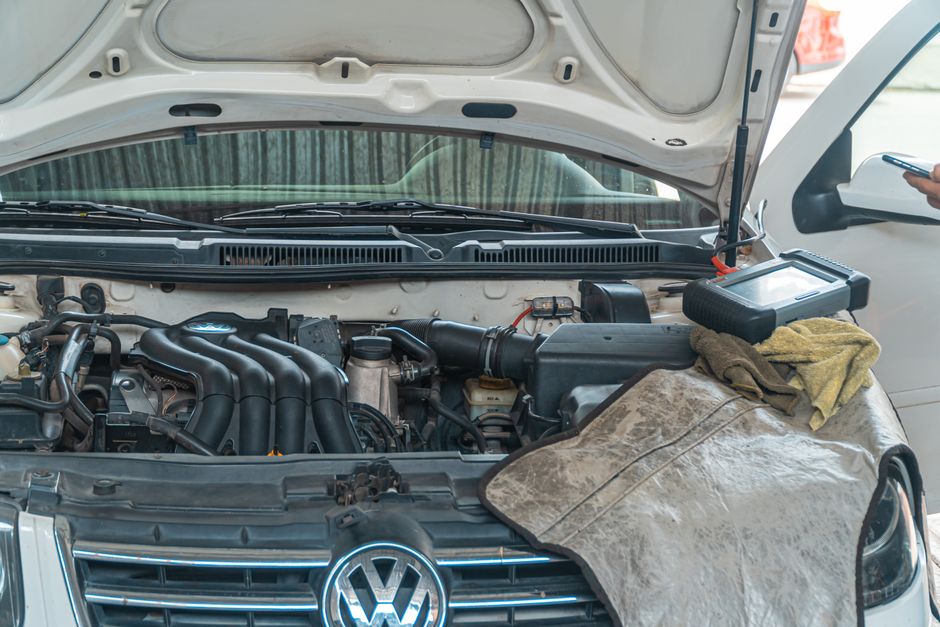
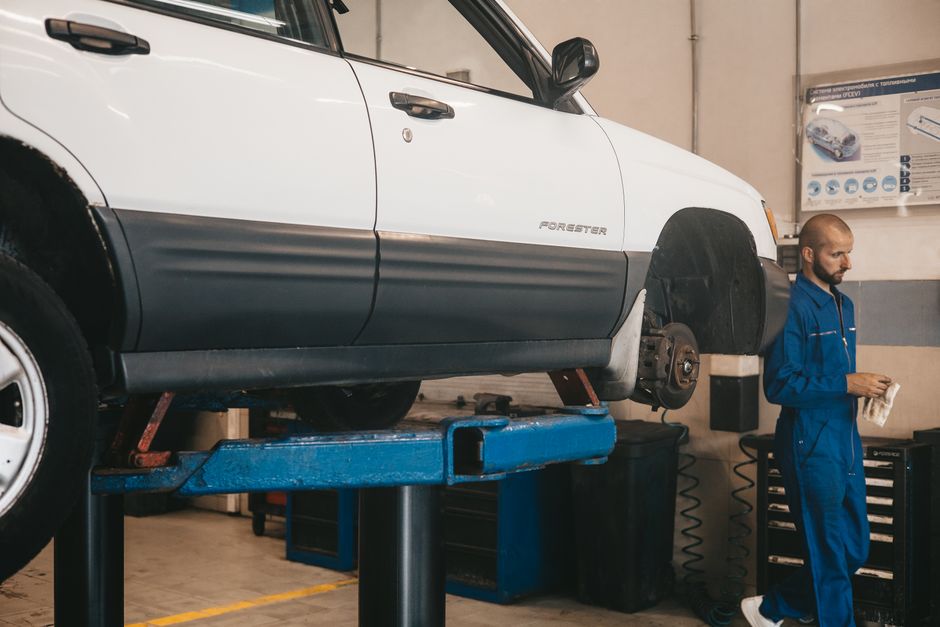

Effective fleet maintenance planning involves several key considerations. Vehicle usage patterns, such as daily mileage, load weight, and operating environment, influence the frequency of servicing. Maintenance intervals are typically defined by manufacturer guidelines and can be adjusted based on actual usage data. Record-keeping is essential for tracking service history, identifying recurring issues, and scheduling future work. These elements help structure a maintenance programme. Any potential effects on fleet availability depend on factors such as workshop capacity, parts availability, and operational demands. Planning approaches should remain flexible to accommodate changing conditions. This information is provided for general understanding and does not replace professional assessment.
FleetLine Motors works with corporate clients to align servicing with their fleet schedules. Coordination begins with a clearly defined scope of work, which clients can submit through our online enquiry form. Depending on fleet size and operational patterns, we agree on preferred time windows and set out the sequence of planned maintenance, diagnostics and replacement of consumables in advance. All arrangements are communicated in writing and confirmed before work begins. Clients may contact us via phone or email to discuss scheduling adjustments as operational needs arise. Where timings need to change, we consider available workshop capacity and notify clients accordingly, so expectations remain clear throughout.

Submit your fleet details and requirements online to initiate the scheduling process.
We review your fleet information to understand service needs and plan accordingly.
A service timetable is agreed upon, considering your fleet's operational patterns and constraints.
Maintenance is carried out as scheduled, with follow-up to document completed work and note any observations.
Find FleetLine Motors' address, phone number, and email below. The online form is for submitting fleet servicing requests, and the map shows our workshop location.